%2Ffit-in%2F250x250%2Fguide_websites%2F4762%2Fimages%2Fscotty.png&w=1920&q=100)
/users/5a76dc68-8556-47e3-8785-f1b4597da54e/ratecard/10.jpg)
%2F300x300%2Fusers%2F5a76dc68-8556-47e3-8785-f1b4597da54e%2Fratecard%2F10.jpg&w=256&q=75)
%2F300x300%2Fusers%2F5a76dc68-8556-47e3-8785-f1b4597da54e%2Fimages%2Fanglers-fishing-atlantic-beach-2631.jpg&w=256&q=75)
%2F300x300%2Fusers%2F5a76dc68-8556-47e3-8785-f1b4597da54e%2Fimages%2Fangler-fishing-nc-2599.jpg&w=256&q=75)
%2F300x300%2Fusers%2F5a76dc68-8556-47e3-8785-f1b4597da54e%2Fimages%2Fthree-king-mackerel-nc-fishing-2707.jpg&w=256&q=75)
%2F300x300%2Fusers%2F5a76dc68-8556-47e3-8785-f1b4597da54e%2Fimages%2Fsuccessful-fishing-trip-nc-2678.jpg&w=256&q=75)
%2F300x300%2Fusers%2F5a76dc68-8556-47e3-8785-f1b4597da54e%2Fimages%2Fbluefish-atlantic-beach-2722.jpg&w=256&q=75)
%2F300x300%2Fusers%2F5a76dc68-8556-47e3-8785-f1b4597da54e%2Fimages%2Ftwo-king-mackerel-atlantic-beach-2919.jpg&w=256&q=75)
%2F300x300%2Fusers%2F5a76dc68-8556-47e3-8785-f1b4597da54e%2Fimages%2Fspectacular-saltwater-fishing-nc-2659.jpg&w=256&q=75)
%2F300x300%2Fusers%2F5a76dc68-8556-47e3-8785-f1b4597da54e%2Fimages%2Fbest-great-fishing-nc-2722.jpg&w=256&q=75)
%2F300x300%2Fusers%2F5a76dc68-8556-47e3-8785-f1b4597da54e%2Fimages%2Fbest-great-fishing-nc-2725.jpg&w=256&q=75)
%2F300x300%2Fusers%2F5a76dc68-8556-47e3-8785-f1b4597da54e%2Fimages%2Ffishing-adventure-north-carolina-2674.jpg&w=256&q=75)
Premier Full-Day Offshore Fishing in Atlantic Beach

 Atlantic Beach, NC
What you will be catching:
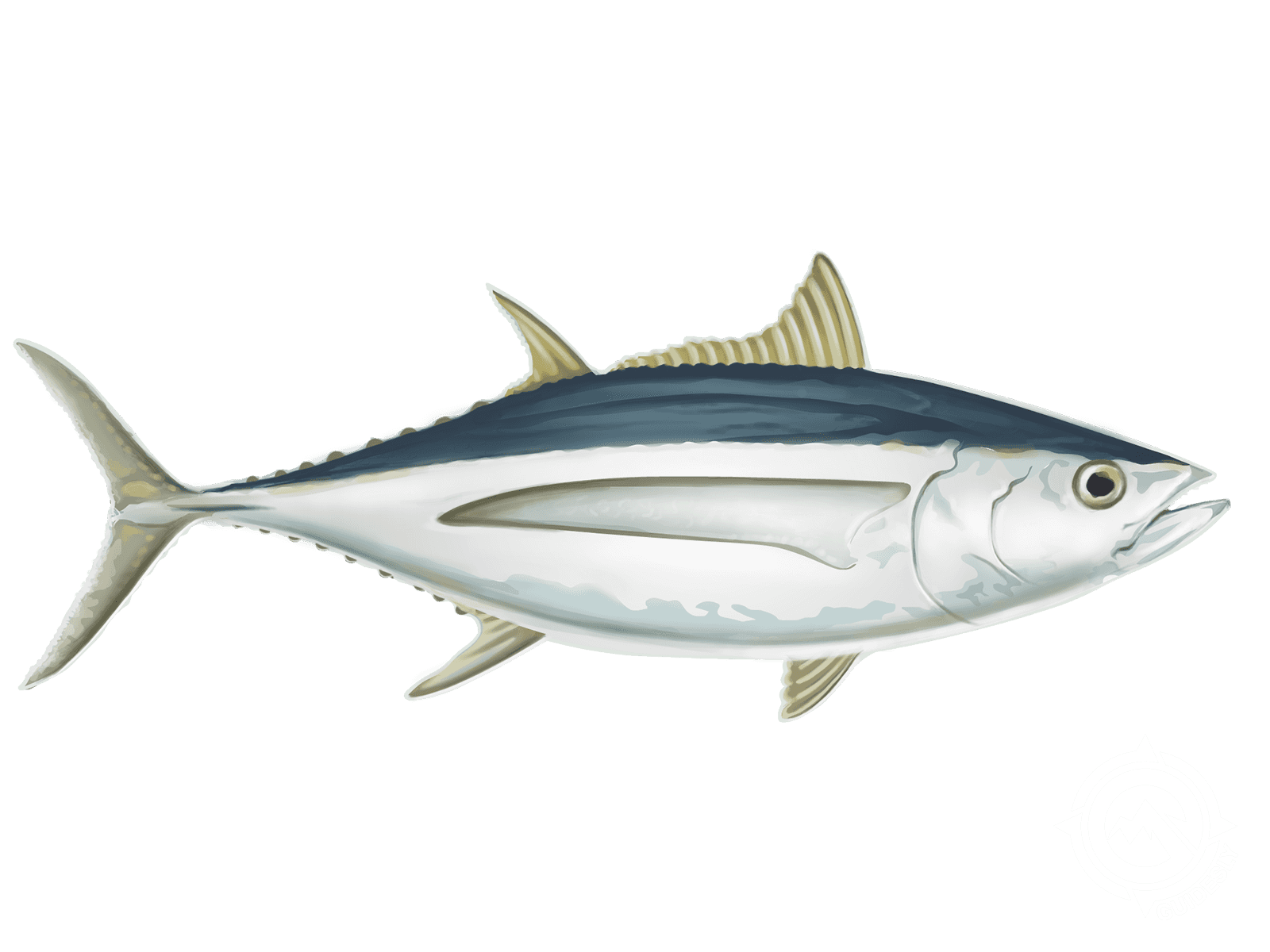
 Albacore Tuna
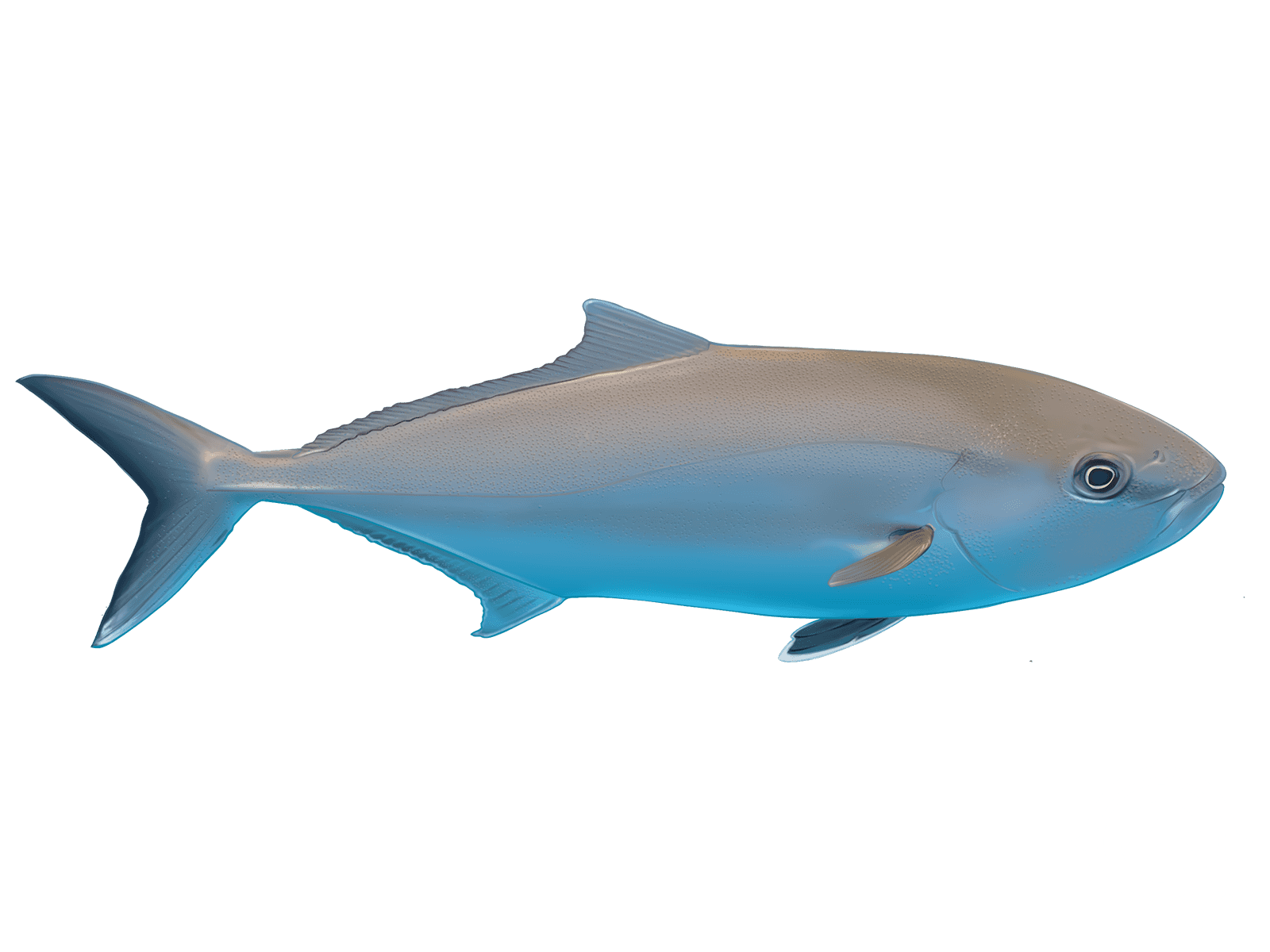
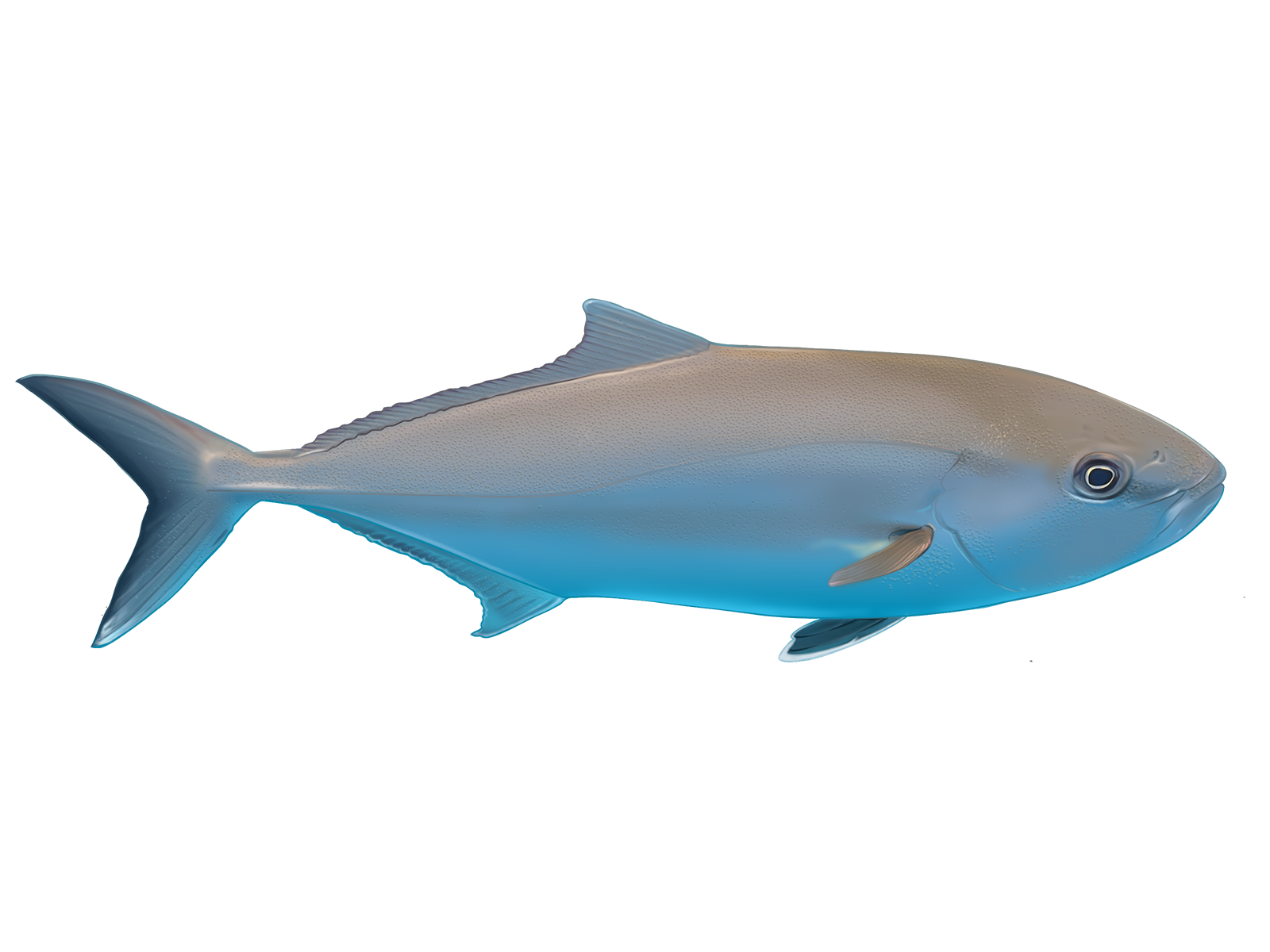 Greater Amberjack
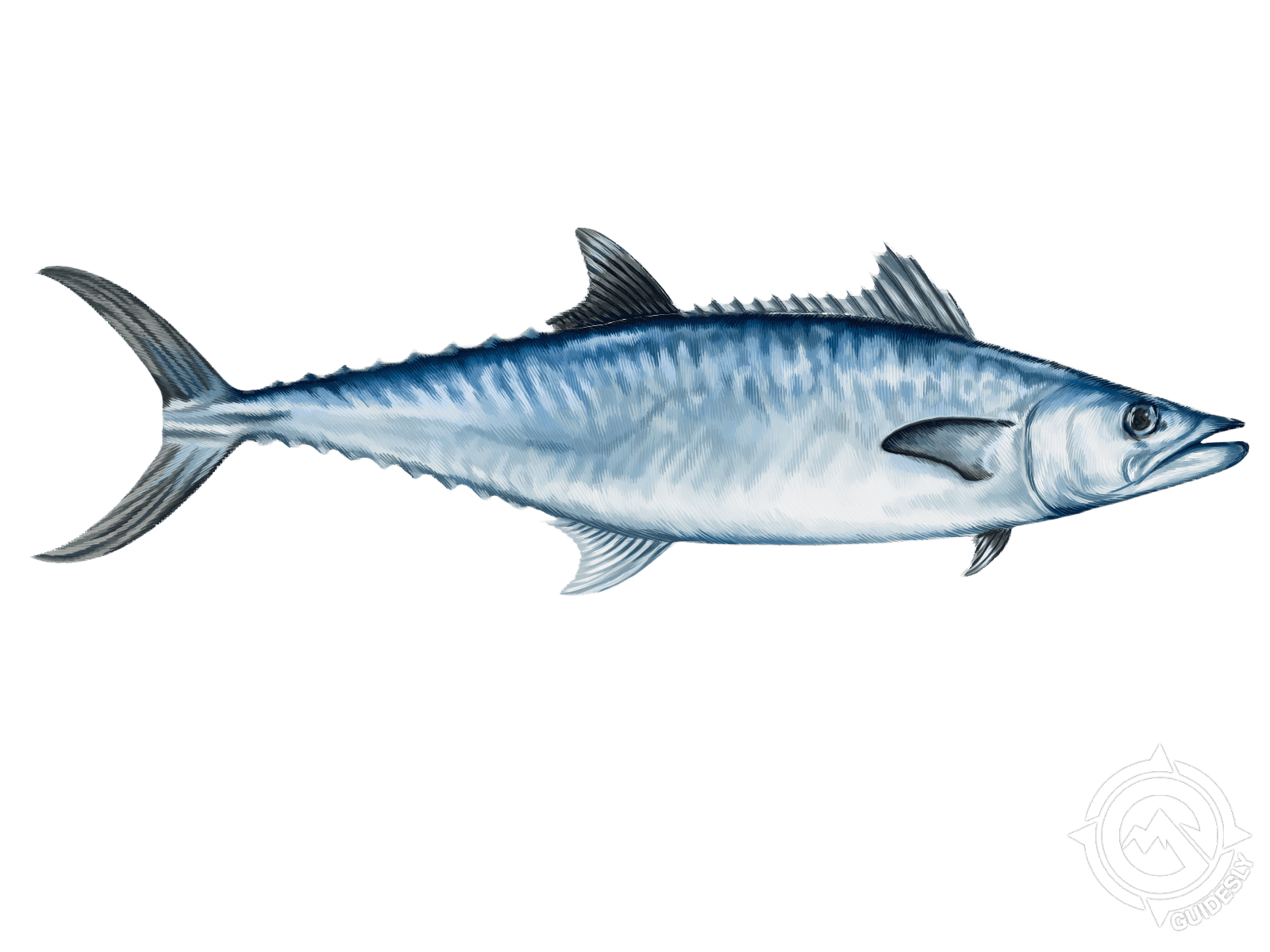
 King Mackerel
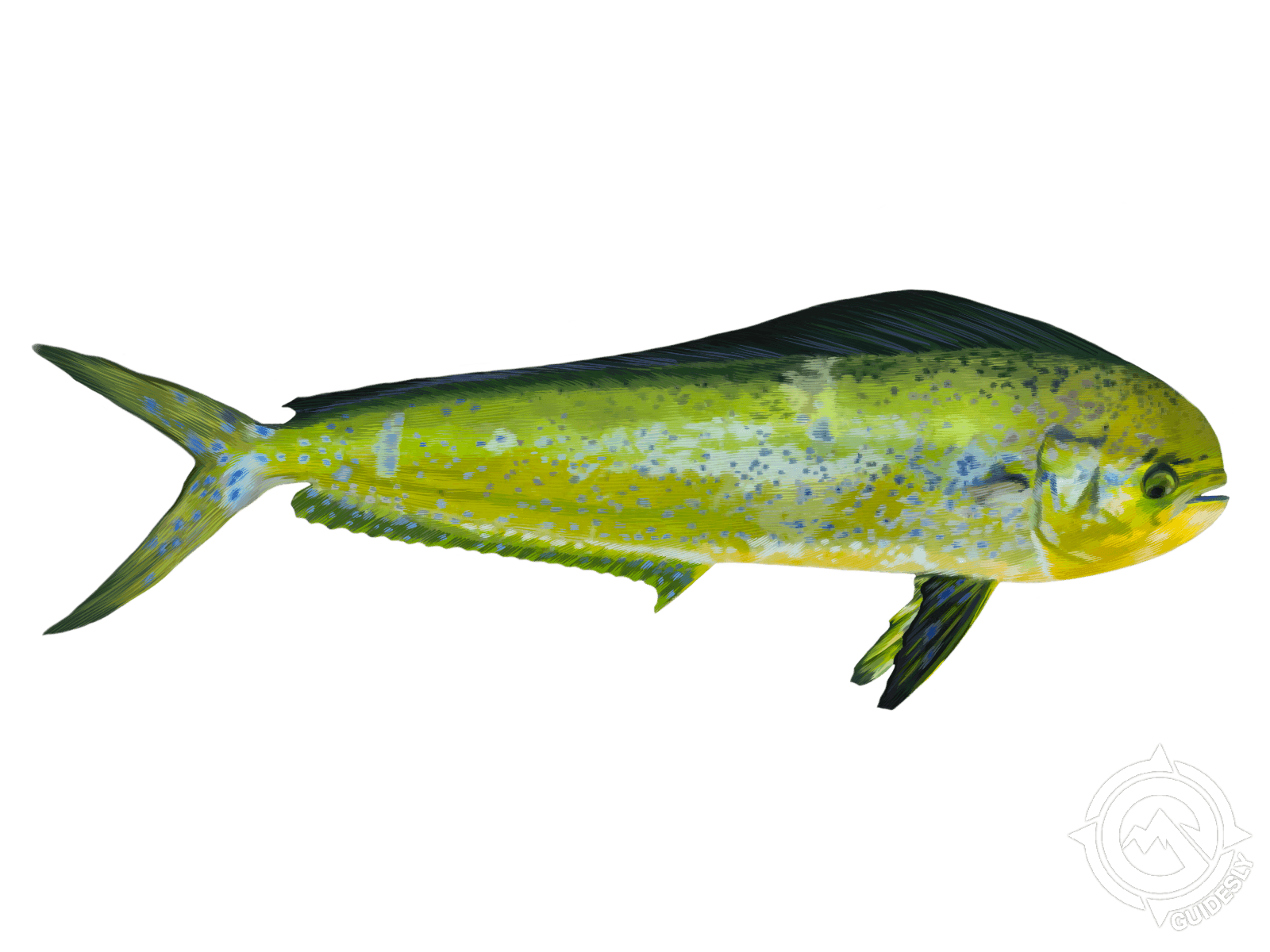
 Mahi Mahi or Common Dolphinfish
- 8-hour offshore charter targeting Mahi, Albacore, Amberjack, and Mackerel
- Complete equipment provided including rods, reels, and tackle for up to 4 guests
- Professional crew assistance with complimentary fish cleaning and filleting service
Trip Pricing and Availabilities:
Reel in Big Game on an Atlantic Beach Adventure
Ready to chase some serious fish off the Carolina coast? Our full-day offshore trip is your ticket to hooking into some of the Atlantic's most prized catches. We're talking monster Mahi Mahi, hard-fighting Amberjack, and tasty Albacore Tuna. Our experienced crew knows these waters like the back of their hand, so you're in for a day of non-stop action. Whether you're a seasoned angler or it's your first time wetting a line in the big blue, we've got you covered with top-notch gear and all the know-how you need. So grab your buddies, slap on some sunscreen, and let's hit the Gulf Stream for some world-class fishing!
What to Expect on the Water
When you step aboard our well-equipped charter boat, you're in for 8 solid hours of offshore fishing action. We'll cruise out past the breakers into the deep blue waters where the big boys play. Our seasoned captain will use his local knowledge and latest tech to put you right on the fish. You'll be using our top-of-the-line rods, reels, and tackle – all included in your trip. No need to lug your own gear or worry about having the right setup. We've got everything dialed in for the species we're after.
As we troll the productive waters off Atlantic Beach, keep your eyes peeled for birds working the surface – that's often a dead giveaway for some fish-feeding frenzy action below. When we hook up, it's all hands on deck! You'll take turns reeling in the big ones, with our mate there to coach you through the fight. And the best part? We'll clean and fillet your catch at the end of the day, so you can take home some fresh fish for the grill.
Techniques for Offshore Success
Out here in the Gulf Stream, trolling is the name of the game. We'll be pulling a spread of baits and lures behind the boat, mimicking the look of a school of baitfish. It's like ringing the dinner bell for the predators we're after. We use a mix of natural baits like Ballyhoo and artificial lures to cover our bases. You might hear us talking about "knocker rigs" for Amberjack or "cedar plugs" for Tuna – don't worry if it sounds like Greek to you, we'll explain everything as we go.
For the Mahi Mahi, we'll keep our eyes peeled for floating debris or weed lines. These fish love to hang around structure, and when we find a good patch, it's not uncommon to hook into multiple fish at once. That's when things really get exciting! We might also do some deep dropping for Amberjack, using heavy weights to get our baits down to the shipwrecks and reefs where these bruisers hang out. It's a workout, but man, is it worth it when you feel that first big pull!
Why Anglers Keep Coming Back
"Great local crew with lots of knowledge about the area" - Mary
Species You'll Want to Hook
King Mackerel: These speedsters are a favorite target for good reason. Known locally as "Kings," these fish can grow up to 5 feet long and put up one heck of a fight. They're famous for their blistering runs and aerial acrobatics when hooked. Spring and fall are prime time for King Mackerel, but we can find them throughout the summer too. Their firm, flavorful meat makes for excellent eating, whether you grill it, smoke it, or make some killer fish dip.
Mahi Mahi: Also called Dorado or Dolphinfish (though they're not related to dolphins at all), these are some of the most beautiful fish in the ocean. Their electric blue and gold colors are a sight to behold. Mahi are known for their acrobatic fights and delicious, mild-flavored meat. They're often found in pairs or schools, so when we hook one, be ready for more action! Summer is the best time to target these guys, and they can range from 15 to 30 pounds on average.
Greater Amberjack: Fondly called "reef donkeys" by anglers, these powerful fish will test your strength and endurance. They love to hang around wrecks and reefs, and when hooked, they'll head straight back to their structure trying to break you off. Expect a deep, powerful fight that'll leave your arms burning. Amberjack season typically runs from May to July, and again from August to October. While they're not known as the best table fare, smaller ones can be quite tasty if prepared right.
Albacore Tuna: These "footballs" of the sea are prized for their fighting ability and excellent eating quality. Albacore are smaller than their Yellowfin cousins, usually weighing in between 10-30 pounds, but what they lack in size they make up for in numbers and taste. We often find them in schools, so multiple hookups are common. They're famous for their long, "screaming" runs that'll have your reel singing. Albacore are most abundant in our waters during the spring and fall migrations.
Time to Book Your Spot
Listen, if you're looking for a day of hard-pulling, rod-bending action, this is the trip for you. We're talking about some of the best offshore fishing the Atlantic has to offer, right here off the coast of Atlantic Beach. Our full-day charter gives you the time to really get out there where the big fish roam. And with our expert crew, top-notch gear, and local know-how, you've got everything you need for an epic day on the water.
Whether you're dreaming of that photo with a massive Mahi, want to test your muscles against an Amberjack, or just want to fill the cooler with some tasty Tuna and Mackerel, we've got you covered. And remember, we'll clean and fillet your catch, so you can go straight from the boat to the barbecue.
Spots on our charters fill up fast, especially during peak seasons. So if you're ready for some serious offshore action, don't wait. Round up your fishing buddies, give us a call, and let's get you on the books. Trust me, this is one fishing trip you don't want to miss. See you on the water!
Customer Review
Local Experts Guide

Mary Webb
February 17, 2025
Learn more about the species
Albacore Tuna
Albacore are speedy little tuna, usually 20-45 pounds with long pectoral fins. They roam in big schools in deeper, offshore waters. Look for them from spring through fall when the water's warmer. Anglers love Albies for their fast runs and tasty white meat - it's the only tuna that can be labeled "white meat tuna" in stores. To catch them, try trolling with cedar plugs or feathers about 50-90 feet behind the boat. A local tip: if you hook one, get it in quick. The whole school might follow, giving you a shot at multiple fish. Just remember, they never stop swimming, so be ready for some reel-screaming action when you hook up!
Greater Amberjack
Greater Amberjack are bruisers that'll test your strength. These powerful fish average 30-40 pounds but can top 100. You'll find them around deep reefs and wrecks, typically in 60-240 feet of water. Spring and fall are prime seasons as they move to shallower areas. Anglers love AJs for their stubborn, hard-pulling fights - it's like trying to stop a freight train. The meat's good eating too, with a firm texture. To land one, drop live bait or heavy jigs near structure. A local trick: when you feel the hit, reel fast and don't stop. If you give an AJ any slack, they'll dive back into the wreck and break you off. Be ready for a workout - these fish don't give up easy!
King Mackerel
King Mackerel are fast-moving predators that put up a great fight. They typically range from 15-30 pounds but can get up to 90. Look for them in depths of 40-150 feet, often near inlets and harbors. They like warm water between 68-84°F. Best fishing is spring through fall when they migrate along the coast. Anglers love targeting Kings for their speed and acrobatic jumps. The meat is good eating too, with a rich, oily flavor. To catch one, try trolling with large spoons or live bait like mullet. A local trick is to use two hooks - one in the bait's mouth and a trailing treble. Kings often strike the back half, so this helps hook 'em. Just watch those teeth when you're handling them!
Mahi Mahi or Common Dolphinfish
Mahi Mahi are some of the most beautiful fish you'll see, with electric blue and gold colors. They average 15-29 pounds but can reach over 80. You'll find them near floating debris and weed lines in open water. They're fast growers and spawn year-round, so there's always a good population. Spring and summer are prime seasons as the water warms up. Folks love catching Mahi for their acrobatic jumps and delicious mild, white meat. To get on the fish, keep an eye out for frigate birds - they'll lead you right to them. Once you find a school, toss out some live bait or colorful lures. A local tip: if you hook one, leave it in the water. The rest of the school will often stick around, letting you catch multiple fish.

Great local crew with lots of knowledge about the area