%2Ffit-in%2F250x250%2Fguide_websites%2F4762%2Fimages%2Fscotty.png&w=1920&q=100)
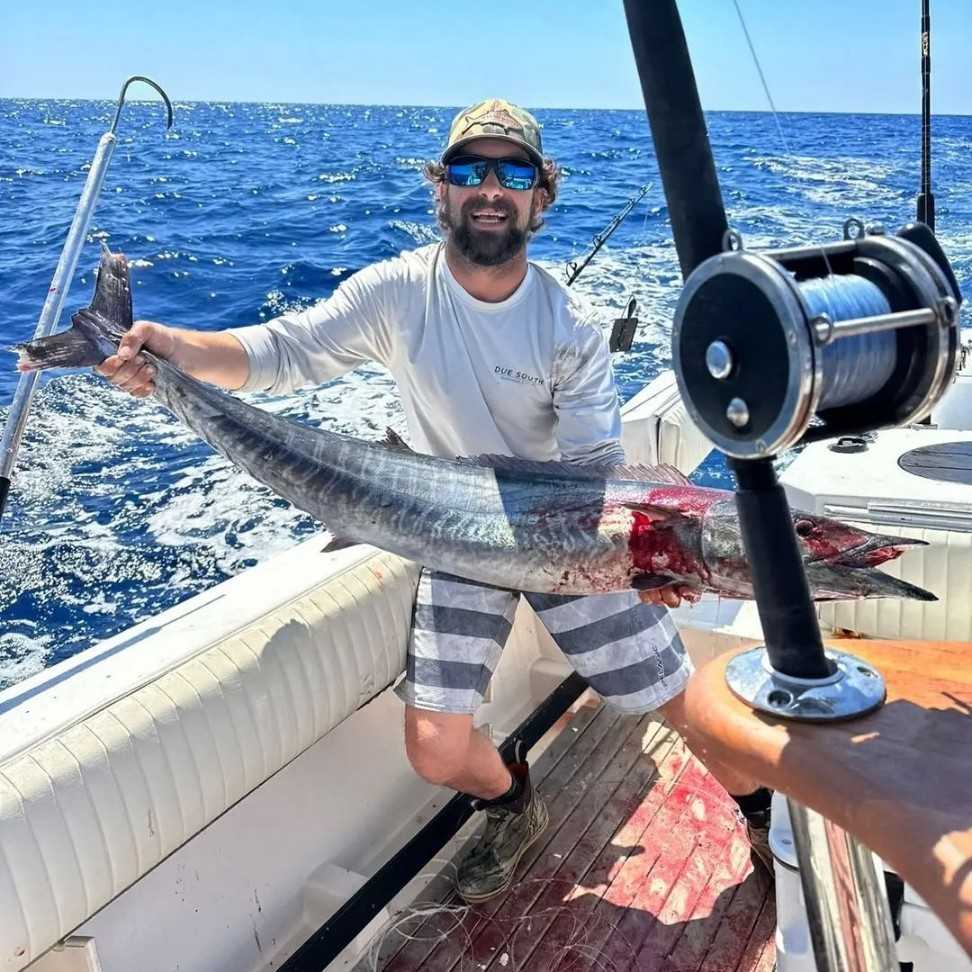
Bluefish Caught on Fishing Charter in Atlantic Beach NC
Bluefish Fishing in Atlantic Beach - What to Expect
%2F%2Fusers%2F5a76dc68-8556-47e3-8785-f1b4597da54e%2Fimages%2Fatlantic-beach-bluefish-charter-catch-2294.jpg&w=1920&q=75)
Fishing Charter by Captain Scotty Webb in June
Meet your Captain Scotty Webb
- Best Fishing Charter in Atlantic Beach, NC


Summary
Experience an adrenaline-pumping fishing charter with Captain Scotty Webb of Coastal Carolina Charters on Friday, June 5th. This dynamic bluefish fishing charter in Atlantic Beach, NC delivers non-stop action and incredible catches that'll get your heart racing.
Fishing Charter with Captain Scotty Webb - Rates & Booking
Captain Scotty Webb of Coastal Carolina Charters operates an exciting fishing charter out of Atlantic Beach, NC on Friday, June 5th. This is your ticket to some of the most electrifying bluefish action the North Carolina coast has to offer. With local expertise and proven techniques, Captain Scotty puts you directly on the fish when conditions are prime.
Ready to hook into aggressive bluefish? Contact Coastal Carolina Charters today to reserve your spot and get pricing details for this high-energy fishing adventure. Captain Scotty's reputation for consistent catches and guided expertise makes this charter a must-do for serious anglers.
Highlights of Your Bluefish Fishing Experience
When you step onto Captain Scotty's boat, you're boarding a vessel specifically rigged for bluefish fishing success. The action moves fast with these aggressive predators, and every moment counts when they're feeding. Fresh offshore waters combined with Captain Scotty's tactical knowledge create the perfect recipe for an unforgettable day on the water.
Your crew will experience the raw intensity of bluefish strikes, the explosive fights these powerful fish deliver, and the satisfaction of boating fresh catches. Atlantic Beach's prime fishing grounds mean you're targeting fish in their natural habitat where they're most active and hungry.
Local Species Insights: Bluefish
Bluefish are the apex predators of Atlantic Beach waters, known for their aggressive feeding behavior and incredible strength. These powerful fish are built for speed and dominance, making them one of the most thrilling species to target. When bluefish are feeding, they strike with intensity and fight with everything they've got, which is exactly why anglers travel specifically to chase them.
In the Atlantic Beach region, bluefish migrate through prime waters during peak seasons, creating windows of explosive fishing opportunity. Their presence signals active offshore conditions and abundant baitfish, which attracts them in schools. When Captain Scotty locates these aggressive feeders, the action becomes relentless. Bluefish don't give up easily - they'll test your line, drag your drag system, and demand skill and stamina from every angler aboard.
These fish inhabit nearshore and offshore structures where they hunt smaller fish species. The combination of Atlantic Beach's geography and seasonal bluefish movements creates ideal conditions for consistent, hard-fighting encounters. Targeting bluefish requires proper equipment and tactical positioning, both of which Captain Scotty has perfected through years of local fishing experience.
Plan Your Bluefish Fishing Day
When you book your fishing charter with Captain Scotty Webb, you're committing to a full-throttle fishing experience designed for anglers who want action. Your day will revolve around locating active bluefish, reading water conditions, and executing perfectly timed casts and retrieves. The pace is fast, the intensity is high, and the rewards are substantial.
Working with an experienced captain means learning proven techniques, understanding how bluefish behave in Atlantic Beach waters, and maximizing your chances of connecting with quality fish. Every moment on the water with Captain Scotty counts toward building memories and landing catches you'll talk about for years. Whether you're fishing alone or bringing a crew, this charter experience delivers the rush and satisfaction serious anglers crave.
Fishing in Atlantic Beach, NC: Bluefish
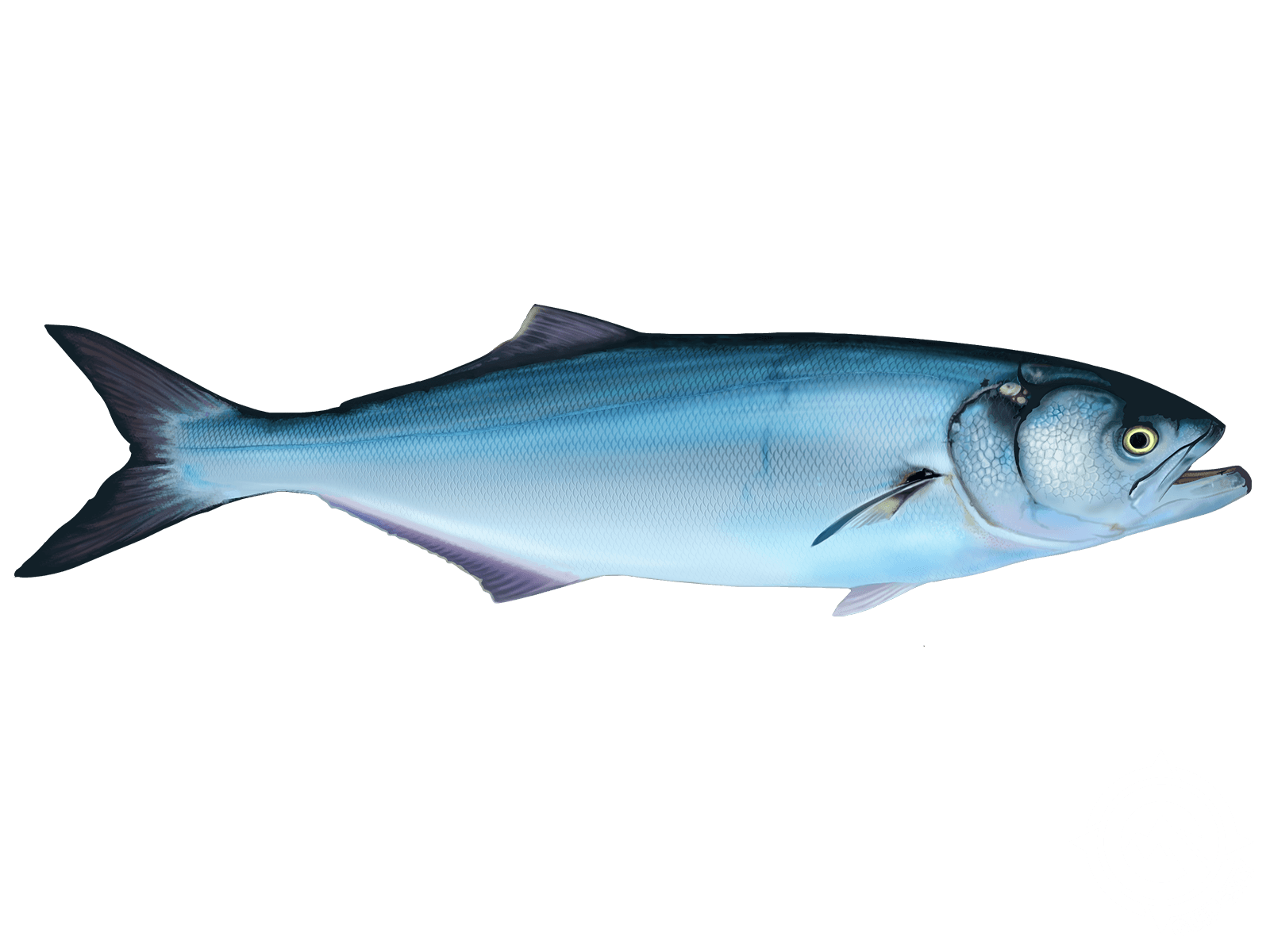
Bluefish Overview
The Bluefish (Pomatomus saltatrix) is one of the most thrilling game fish you'll encounter in nearshore and onshore Atlantic waters. Belonging to the family Pomatomidae and order Perciformes, this aggressive predator is the sole surviving member of its family—a distinction that makes it both ecologically important and historically fascinating. What makes the Bluefish truly special is its combination of explosive feeding behavior, striking blue-green coloring, and reputation as a spirited fighter on the line. Known locally in different regions as Shad (South Africa) or Tailor (Australia and New Zealand), this migratory species brings excitement to summer fishing from Cape Cod to the Carolinas and beyond. Anglers and casual observers alike are captivated by the famous "Bluefish Blitz," where schools churn shallow waters like washing machines, attacking baitfish with reckless abandon.
Bluefish Habitat and Distribution
Bluefish thrive in subtropical and temperate waters across the globe, with major populations found throughout the Atlantic Ocean from Nova Scotia to Argentina, and from Spain to southern Africa. These marine pelagic fish are most commonly found along continental shelves and rarely venture to the north side of the Pacific Ocean. In North America, they inhabit a wide range of environments including brackish estuaries, tidal rivers, rock headlands, sandy beaches, and areas just above the continental shelf. During summer months, Bluefish become seasonal visitors to cooler northern waters, arriving around mid-June and remaining through mid-October before migrating to warmer wintering grounds from North Carolina south to Florida's tip. They're particularly abundant in bays, sandy harbors, and tidal river systems where forage fish concentrate. The species shows a strong preference for areas with active baitfish populations and readily moves between shallow coastal waters and deeper offshore zones depending on seasonal availability of prey.
Bluefish Size and Weight
Bluefish display considerable size variation depending on age and feeding conditions. Most fish in the general population reach weights around 15–20 pounds, though they commonly grow to 15 inches minimum and can exceed 51 inches in length when fully mature. In terms of weight, typical catches range from 3 to 15 pounds for recreational anglers, though exceptional specimens have been documented at 40 pounds or more. Juvenile Bluefish, affectionately called "baby blues" or "snappers," appear in late summer and offer excellent opportunities for young and inexperienced anglers to practice their skills. The larger fish, particularly those exceeding 10 pounds, develop stronger, more assertive flavors compared to their smaller counterparts, which possess mild, flaky meat prized by culinary enthusiasts.
Bluefish Diet and Behavior
Bluefish earned their reputation as voracious predators through relentless feeding habits and an impressive arsenal of flat, triangular teeth sharp enough to inflict serious bites. These aggressive hunters possess a complex diet featuring sardine-like fish, Menhaden, Weakfish, Grunt, Anchovy, Squid, and Shrimp. Their fast swimming speed allows them to chase down schools of forage fish, and they're known for entering feeding frenzies where they continue attacking prey long after satisfying their nutritional needs—a behavioral trait that makes them so appealing to anglers. Interestingly, Bluefish exhibit cannibalistic tendencies, sometimes consuming their own young. Despite their fearsome hunting prowess, adult Bluefish serve as food for larger predators including Dolphins, Billfish, Sharks, and Tuna. The species can live up to 9 years in the wild, providing a multi-generational presence in coastal ecosystems. Their aggressive nature means careful handling is essential; their powerful jaws and sharp teeth can deliver painful wounds to unsuspecting anglers.
Bluefish Spawning and Seasonal Activity
Bluefish exhibit strong seasonal migration patterns that define their presence in coastal waters throughout the year. In northern regions like Cape Cod and the broader Atlantic Northeast, these fish arrive as seasonal visitors around mid-June and establish themselves through mid-October when water temperatures and baitfish availability peak. The fall migration triggers a notable fishing phenomenon as juvenile "snappers" congregate in sandy harbors, bays, and tidal rivers before departing for southern waters. Winter months find the majority of the population in warmer Atlantic waters stretching from North Carolina through Florida's southern tip. This predictable seasonal cycle has shaped commercial and recreational fisheries management strategies, with harvest regulations and bag limits designed around their migratory movements. Spring returns bring renewed excitement to northeastern anglers as water temperatures warm and migrating schools re-enter traditional summer grounds, signaling the beginning of another productive fishing season.
Bluefish Techniques for Observation and Capture
Method 1: Live and Cut Bait Fishing
The most effective approach for targeting Bluefish involves using oily baitfish like eels, which trigger aggressive strikes, though nearly any baitfish species will work. Cut bait shaped into small lure-sized chunks proves particularly productive, allowing you to present multiple offerings in areas with known Bluefish activity. Fish from tidal rivers, bays, and sandy harbors during summer months when water temperatures are optimal. Use only circle hooks per regulations—this equipment choice reduces injury to released fish while improving your hook-up rate. Cast into areas where baitfish schools congregate, particularly near structure and during tidal movements that concentrate prey.
Method 2: Artificial Lures and Flies
Bluefish eagerly strike artificial lures and fly patterns that mimic their natural prey. Recreational regulations permit artificial lures with a maximum of two treble hooks, giving you flexibility in your presentation. Topwater plugs, metal spoons, and shad-pattern soft plastics all produce strikes during active feeding periods. Cast into the "Bluefish Blitz"—that spectacular phenomenon where schools churn shallow water while attacking baitfish—and work your lures with aggressive, erratic retrieves that trigger competitive feeding responses.
Method 3: Commercial and Guided Techniques
Professional fisheries employ trawls, gillnets, and hook-and-line methods in commercial operations requiring proper permits. Around Cape Cod and other prime northeastern locations, charter boats and guided services specialize in locating schools and positioning anglers for consistent action. Recreational anglers can keep up to three fish per day with no minimum size requirement, making this an accessible species for both novices and experienced fishermen.
Bluefish Culinary and Utilization Notes
When properly prepared, Bluefish offers mild, flaky meat that ranks as a genuine culinary treat for those who know how to handle it. Smaller fish (under 10 pounds) provide the most delicate flavor, while larger specimens develop more pronounced, oily characteristics that some find less appealing. Despite being rich in omega-3 fatty acids beneficial for heart health, health authorities recommend that children and adult women limit consumption due to the species' significant mercury content. The fish's oily nature makes it ideal for smoking, grilling, and baking—preparation methods that complement rather than mask its natural flavors. Commercial and recreational fisheries employ strict management through bag limits and annual quotas to ensure sustainable harvest and prevent overfishing. When considering Bluefish for the dinner table, source smaller specimens and enjoy them as an occasional rather than regular dietary staple.
Bluefish Frequently Asked Questions
Q: What is the best bait for catching Bluefish?
A: Oily fish like eels are exceptionally effective, but almost any baitfish works well. Cut bait shaped into small lure-sized chunks provides another excellent option. The key is matching bait size to your target fish and presenting it in areas where schools congregate, particularly during tidal movements.
Q: Where can I find Bluefish near Cape Cod and the northeastern coast?
A: Bluefish are seasonal visitors to Cape Cod and northern Atlantic waters from mid-June through mid-October. Focus your efforts on tidal rivers, bays, sandy harbors, and nearshore locations where baitfish concentrate. The "Bluefish Blitz" phenomenon, where schools attack baitfish in shallow water, creates spectacular fishing opportunities during peak season.
Q: Is Bluefish good to eat?
A: Yes, when properly prepared, Bluefish offers delicious, mild, flaky meat—particularly smaller specimens under 10 pounds. However, due to mercury content, health authorities recommend limiting consumption, especially for children and adult women. Prepare using smoking, grilling, or baking methods that complement the fish's natural oily richness.
Q: When is the best time to catch Bluefish?
A: Summer months (mid-June through mid-October) represent peak season in northern regions like Cape Cod. Late summer brings juvenile "snappers" into shallow bays and sandy harbors, creating excellent opportunities for beginners. Early morning and late afternoon often produce the most consistent action as feeding intensity increases.
Q: What regulations apply to Bluefish fishing?
A: Recreational anglers can keep up to three Bluefish per day with no minimum size requirement, using only circle hooks. Artificial lures are limited to two treble hooks maximum. Commercial fishing requires proper permits, and many states impose specific catch limits. Always check local regulations before fishing.
Q: Why are Bluefish called a "Blitz" when they feed?
A: The "Bluefish Blitz" occurs when schools churn shallow water like washing machines, attacking baitfish schools with reckless aggression. These feeding frenzies create spectacular surface disturbances and offer some of the most exciting fishing experiences available, as multiple fish simultaneously strike and compete for prey regardless of their hunger level.